
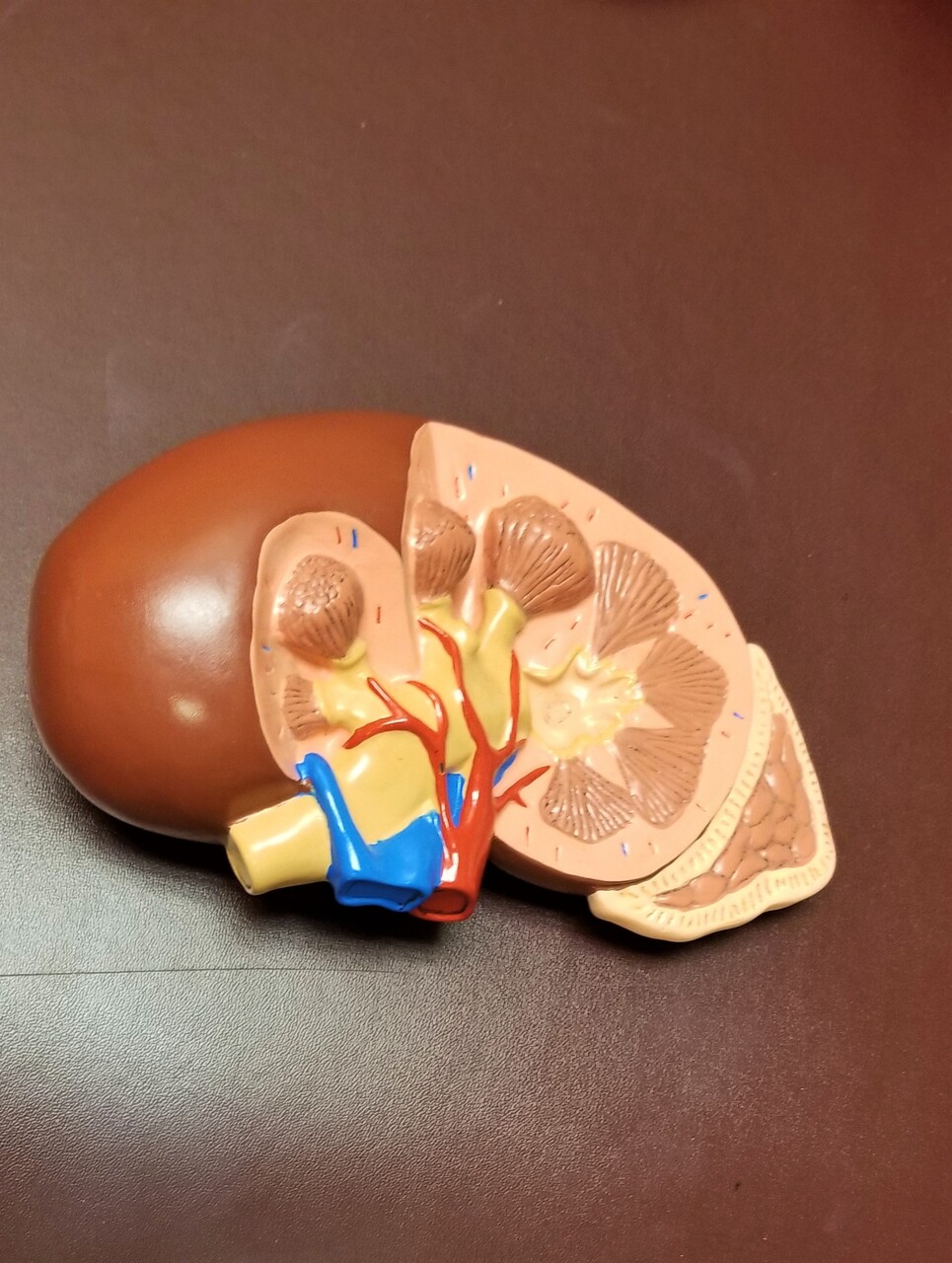
Alcohol affects the liver more than any other organ in the body. The liver works hard to filter toxins, break down substances, and support digestion, but heavy drinking over time can overwhelm it, leading to serious damage that often goes unnoticed.
The early warning signs of liver damage can be subtle, but recognizing them sooner rather than later can prevent irreversible harm.
This article will break down 14 key signs of liver damage, how they affect the body when to seek medical help, and what to do if you suspect alcohol is impacting your health.
Why Alcohol Damages the Liver
The liver processes everything you consume, including alcohol, fats, and toxins. However excessive alcohol use makes the liver work overtime, leading to inflammation and scarring.
Liver damage often progresses through three stages:
- Fatty liver – Reversible with reduced drinking; causes inflammation.
- Fibrosis – Scar tissue starts forming, but some damage may still be healed.
- Cirrhosis – Severe, permanent liver scarring that can lead to liver failure or liver cancer.
In some cases, alcoholic hepatitis (severe liver inflammation) may develop, which can be life-threatening if left untreated. If scarring worsens, a liver transplant may be the only option.
Understanding the signs of liver damage early can help you prevent further damage.
14 Signs of Liver Damage from Alcohol

1. Constant Fatigue and Weakness
Feeling exhausted all the time? Liver disease symptoms often include chronic fatigue. When liver cells are damaged, the body can’t store energy properly, leaving you feeling drained.
➡ What to do: If fatigue doesn’t improve with rest, it’s worth discussing with a doctor, especially if combined with other symptoms.
2. Loss of Appetite and Unexplained Weight Loss
A damaged liver disrupts digestion, making food less appealing and leading to sudden weight loss.
➡ What to do: Keep track of your eating habits. If you’re unintentionally losing weight, your liver may not be functioning properly.
3. Nausea and Frequent Vomiting
The liver plays a key role in digestion. When it struggles, nausea, bloating, and vomiting can become frequent problems, especially after drinking.
➡ What to do: Pay attention to nausea patterns. Persistent nausea and vomiting, especially unrelated to food, may be early signs of liver damage.
4. Abdominal Pain and Swelling
Liver damage causes inflammation and fluid buildup in the abdomen, leading to discomfort or bloating. Pain in the upper right side of your belly may indicate liver inflammation.
➡ What to do: If the pain becomes sharp or swelling increases, seek medical help immediately.
5. Jaundice (Yellow Skin and Eyes)
A yellow tint in your skin or eyes is a major warning sign of liver failure symptoms. This happens when bilirubin builds up due to poor liver function.
➡ What to do: Jaundice is serious, don’t ignore it. Seek medical care right away.
6. Dark Urine and Pale Stools
Changes in urine or stool color can indicate liver distress.
- Dark urine = excess bilirubin in the blood.
- Pale or clay-colored stool = lack of bile production, which may indicate alcoholic fatty liver disease.
➡ What to do: If urine remains dark or stool stays pale for more than a few days, get checked by a doctor.
7. Itchy Skin (Unexplained)
A skin rash from alcohol liver damage can develop when toxins build up in the bloodstream. Severe, persistent itching is often linked to liver disease symptoms.
➡ What to do: If itching doesn’t go away, consult a doctor to rule out liver-related issues.
8. Easy Bruising and Bleeding
Liver damage affects blood clotting, making you bruise easily or bleed more than usual from minor cuts.
➡ What to do: If you notice unusual bruising, talk to a doctor, it could indicate worsening liver function.
9. Swelling in the Legs and Ankles
Fluid buildup in the legs, ankles, or feet is known as edema and happens when the liver can’t regulate fluid properly. This can also be linked to portal hypertension, a condition caused by increased blood pressure in the veins leading to the liver.
➡ What to do: If swelling worsens or occurs alongside other signs of liver damage, seek medical help.
10. Brain Fog, Confusion, or Mood Changes
A struggling liver can’t filter toxins properly, leading to confusion, poor concentration, or mood swings (known as hepatic encephalopathy).
➡ What to do: If you experience memory issues or sudden mood changes, your liver may be struggling, get evaluated by a doctor.
11. Spider Angiomas (Web-Like Blood Vessels on Skin)
Tiny, spider-like blood vessels appearing on your skin can indicate cirrhosis or severe liver damage.
➡ What to do: Take note of any unusual skin changes and report them to your doctor.
12. Red Palms (Palmar Erythema)
Bright red palms may be a sign of liver damage due to hormonal imbalances caused by liver dysfunction.
➡ What to do: If you notice this, don’t ignore it, get checked out.
13. Swollen Liver or Spleen
If your liver or spleen is swollen, a liver biopsy or imaging tests may be needed to assess the damage.
➡ What to do: Liver enlargement is serious, seek medical attention right away.
14. Alcohol Tolerance Changes and Worse Hangovers
If alcohol is affecting you differently, causing faster intoxication or more intense hangovers, it may be because your liver isn’t processing the same amount of alcohol efficiently.
➡ What to do: If alcohol tolerance changes and hangovers worsen, these may be signs of liver damage.
Scottsdale Providence Recovery Center Can Help
Liver damage from alcohol doesn’t happen overnight. It builds up over time. If you’re experiencing symptoms or signs of liver damage and struggling to stop drinking alcohol, you don’t have to do it alone.
At Scottsdale Providence Recovery Center, we specialize in alcohol addiction treatment with personalized programs to help you regain control. Reach out today to start your recovery journey.
Editorial Writer - Victoria Yancer
Clinical Reviewer - Daniel Nichols LCSW.